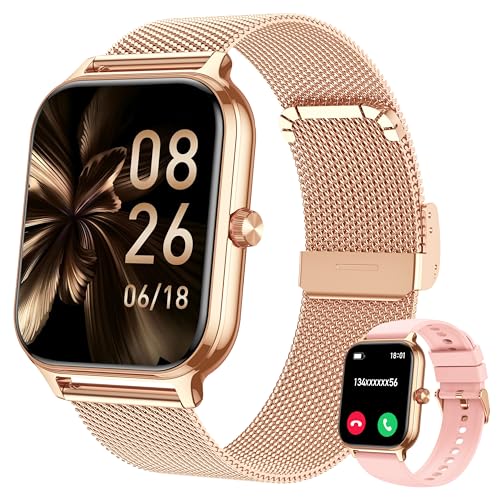
Smartwatches vs Traditional Watches Trends in 2026
As we navigate through 2026, the debate between smartwatches and traditional watches continues to gain momentum. With advancements in technology, smartwatches have become more than just timepieces; they are now comprehensive health and fitness trackers, communication devices, and lifestyle enhancers. Conversely, traditional watches maintain their allure as symbols of craftsmanship, style, and heritage. This article delves into the key differences, benefits, and the evolving preferences of consumers in this dynamic landscape.
Technological Advancements in Smartwatches
In 2026, smartwatches have integrated cutting-edge technology that pushes the boundaries of what we expect from wearable devices. Features such as health monitoring, GPS tracking, and contactless payments have become standard. For instance, the latest models now include advanced sensors capable of tracking blood oxygen levels and even stress indicators, appealing to health-conscious individuals.
Moreover, with the rise of artificial intelligence, many smartwatches offer personalized insights based on user behavior. Imagine a scenario where your smartwatch not only tracks your fitness but also suggests workout routines tailored to your specific goals. This level of interaction enhances user experience and highlights the practical advantages of smartwatches in daily life.
Health and Fitness Tracking
The focus on health and fitness tracking has become paramount in 2026. Smartwatches provide users with real-time data, making them invaluable tools for those looking to improve their health. For instance, features such as heart rate monitoring, sleep tracking, and even ECG capabilities are revolutionizing how individuals approach their fitness journeys.
Consider a fitness enthusiast who uses a smartwatch to monitor their heart rate during workouts. This data allows them to adjust their intensity levels for optimal performance. Additionally, the integration of health apps enables users to set goals and track progress over time, providing motivation and accountability.
People Also Look For:
- Smart Watch for Men Women- Answer/Make Call, 2026 IP68 Waterproof Fitness Tracker Watch with Sleep Step Counter Activity Smartwatc...
- AI Smart Watch, 1.91" ChatGPT 2026 Smartwatch Men Women Bluetooth 5.4 Call
- Smart Watch Women Men, 1.85'' Lightweight Screen Fitness Watch, Bluetooth Call, HR/ Blood Pressure/ Sleep Monitor, 115+ Sports Mod...
- aeac Smart Watch for Men Women, AMOLED Ultra-Clear Screen Activity Trackers with Heart Rate/Sleep/SpO2 Monitor, Smartwatch for iPh...
- Smart Watch for Men Women(Answer/Make Call), 1.91"HD Touch Screen 2026 New
The Timeless Appeal of Traditional Watches
Despite the rise of smart technology, traditional watches continue to hold significant value in 2026. These timepieces represent a blend of artistry and engineering, often crafted with intricate details that showcase the watchmaker's skill. Many consumers still appreciate the elegance and sophistication that a traditional watch brings to an outfit.
Luxury brands have capitalized on this demand, offering limited edition collections that celebrate craftsmanship and heritage. For example, brands like Rolex and Patek Philippe have released models that not only serve as timekeepers but also as investment pieces. The appreciation for fine materials, such as gold and sapphire crystal, adds to the allure of traditional watches.
Symbolism and Status
Traditional watches often symbolize status and achievement. In 2026, owning a luxury timepiece is still seen as a significant milestone. Individuals may choose a traditional watch to mark important life events, such as graduations or anniversaries, making it more than just a functional accessory.
Imagine a successful entrepreneur sporting a classic watch during a business meeting. This choice reflects not only their personal style but also their achievements. Traditional watches often carry a story, linking the wearer to their family history or significant moments in life.
Consumer Preferences in 2026
The preferences of consumers have evolved as technology becomes more integrated into their lives. In 2026, younger generations are more inclined towards smartwatches due to their multifunctionality and convenience. Millennials and Gen Z view these devices as essential tools for managing their busy lifestyles, providing notifications, and even facilitating communication.
On the other hand, older generations may gravitate towards traditional watches, valuing their simplicity and elegance. For them, a watch may serve as a reminder of time-honored traditions and personal milestones. This generational divide highlights the varying perspectives on what a watch represents in today’s society.
Hybrid Models as a Middle Ground
Interestingly, the market has seen the emergence of hybrid watches that combine features of both smartwatches and traditional designs. These hybrid models appeal to consumers seeking the best of both worlds. For example, a hybrid watch might feature traditional analog hands while incorporating smart technology to track fitness or receive notifications.
This blend allows consumers to enjoy the aesthetic of a traditional watch while benefiting from modern functionalities. As the demand for versatility increases, hybrid watches are becoming a popular choice among consumers who appreciate both style and practicality.
Conclusion
As the landscape of watch technology evolves, the competition between smartwatches and traditional watches remains fierce. The decision between these two options ultimately depends on individual preferences and lifestyle needs. In 2026, both types of watches hold their unique place in the market, catering to a diverse audience that values style, functionality, and heritage.
Whether one opts for the cutting-edge capabilities of a smartwatch or the timeless elegance of a traditional watch, the ongoing developments in both categories ensure that consumers have a wealth of choices to consider. The future of timekeeping is bright, with innovations and designs that promise to captivate and inspire watch enthusiasts around the globe.